
Implant Dentistry
Introduction
Dental implants are a well-established way of replacing missing teeth. They are designed to support crowns, bridges or dentures and can provide a stable, long-term solution where teeth have been lost.
Implant treatment requires careful assessment and planning. Not every case is the same, and the most appropriate approach depends on the individual situation, including bone availability, gum health, bite, and overall dental condition.
Assessment and Planning
Successful implant treatment begins with a comprehensive assessment.
This may include:
Clinical examination
Evaluation of gum health
Bite (occlusal) assessment
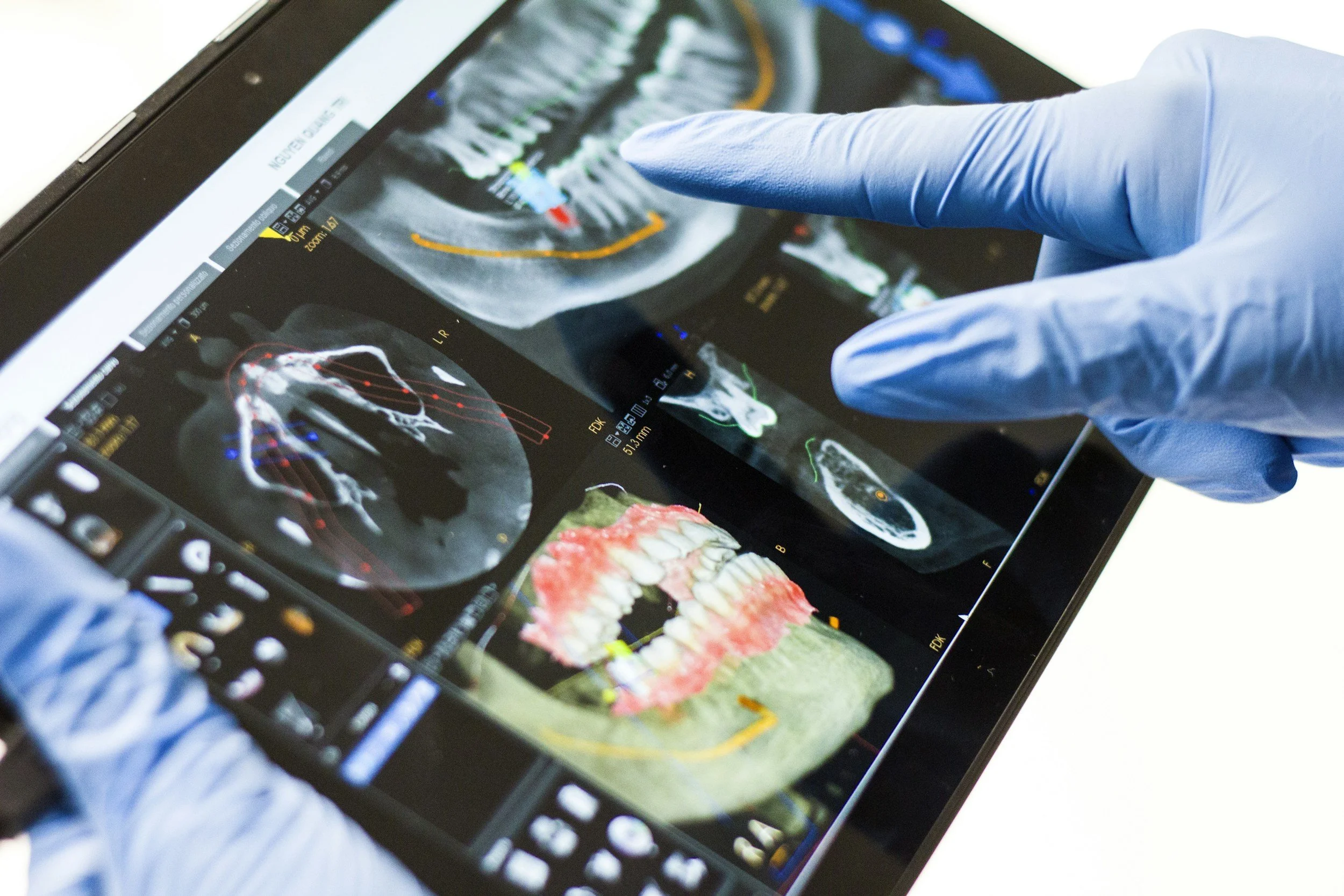
Radiographs and, where appropriate, CBCT imaging
Consideration of overall dental condition
In many cases, implant treatment forms part of a wider restorative plan rather than a standalone procedure.
Timing of Implant Placement
Implants can be placed at different stages depending on the clinical situation.
Immediate Placement
In some cases, an implant can be placed at the time of tooth extraction.
Advantages: reduced treatment time, fewer procedures
Considerations: requires favourable conditions and careful case selection
Early Placement
Implants are placed after a short healing period following extraction.
Advantages: allows soft tissue healing while maintaining treatment momentum
Considerations: still requires adequate bone and stability
Conventional (Delayed) Placement
Implants are placed after complete healing of the extraction site.
Advantages: predictable and well-established approach
Considerations: longer overall treatment time
When Are Implants Appropriate?
Implants may be suitable where:
Teeth are missing or cannot be predictably restored
Adjacent teeth are healthy and should not be prepared
A stable and long-term solution is required
However, not all patients are suitable for implant treatment. Factors such as gum health, smoking, medical conditions and bone availability must be carefully considered.
Maintenance and Long-Term Care
Implants require ongoing care and maintenance.
This includes:
Excellent oral hygiene
Regular professional reviews
Long-term monitoring
We strongly recommend regular hygienist visits, often every three months, to help maintain the health of implants over time.
Changes in the mouth—such as the loss of other teeth—can affect the bite, and implant restorations may require adjustment in the future.
What Is a Dental Implant?
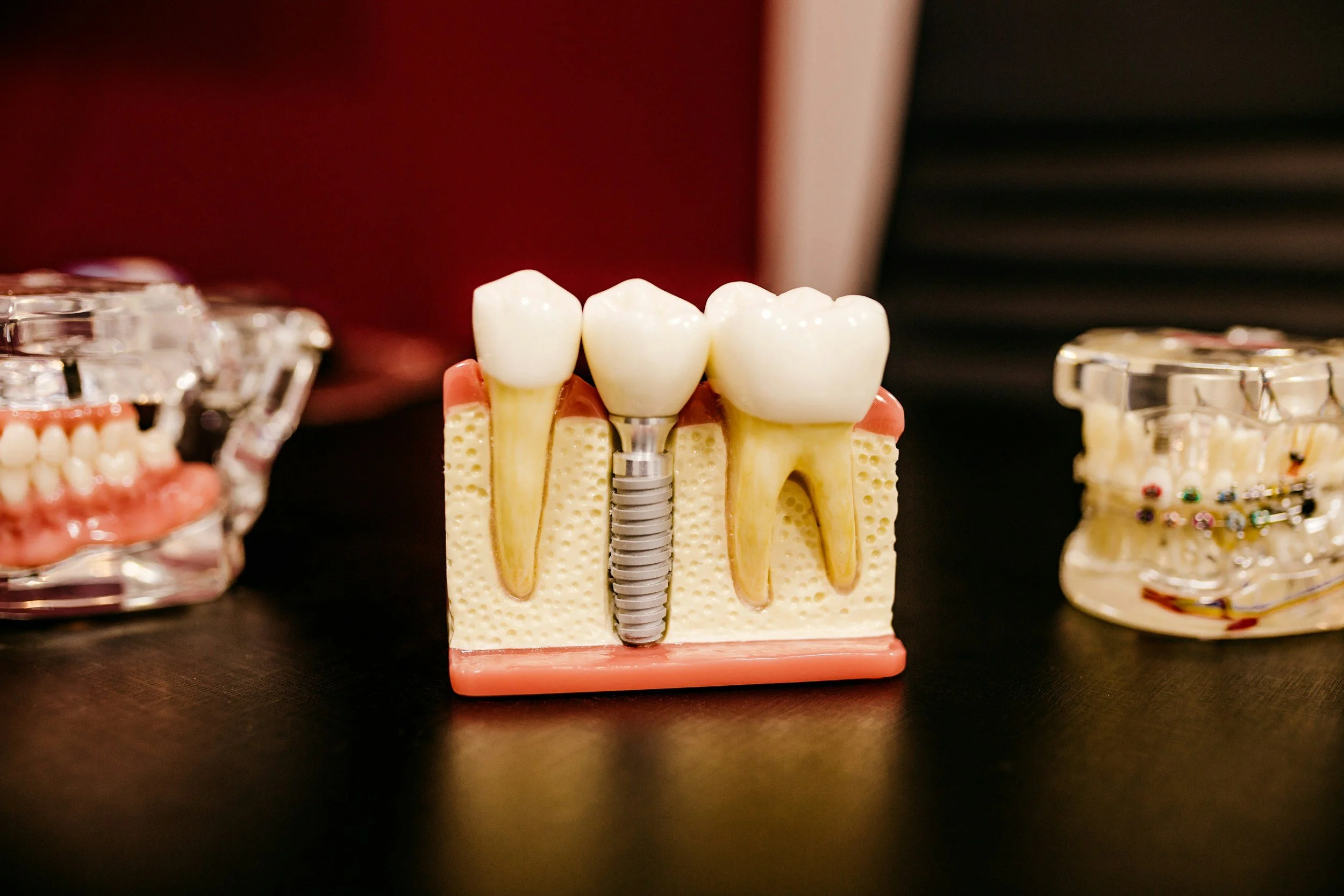
A dental implant is a small titanium component placed into the jawbone, where it acts as an artificial tooth root. Once integrated with the bone, it can support a replacement tooth or teeth.
Implants may be used to replace:
A single missing tooth
Multiple missing teeth
Full arch restorations in selected cases
Loading of Implants
Once an implant has been placed, a decision is made about when it can support a tooth.
Immediate Loading
A temporary restoration may be placed soon after implant placement.
Advantages: quicker restoration of appearance and function
Considerations: requires excellent implant stability and appropriate loading conditions
Early Loading
The implant is restored after a short healing period.
Advantages: balance between healing and reduced treatment time
Conventional Loading
The implant is allowed to fully integrate with bone before restoration.
Advantages: highly predictable long-term outcome
Considerations: longer treatment duration
Alternatives to Implants
Implants are one option for replacing missing teeth. Alternatives include:
Bridges
Removable dentures
In some cases, no treatment
The most appropriate option depends on the individual situation and long-term considerations.
The Aim
The aim of implant treatment is to provide a stable, functional and maintainable solution that is appropriate for the individual patient.
Careful assessment and planning are essential to achieving a predictable outcome.
In many cases, implant treatment forms part of a wider plan. Learn more about complex restorative dentistry

ITI Fellowship
Dr Sachin Jauhar is proud to be awarded the honour of being a Fellow of the International Team for Implantology (ITI).
The ITI is a globally recognised academic organisation dedicated to advancing education and research in implant dentistry. Fellowship is awarded to clinicians who demonstrate a high level of training, experience and commitment to evidence-based practice in implant treatment.
Being an ITI Fellow reflects:
A commitment to internationally recognised standards
A focus on careful assessment and treatment planning
Use of evidence-based approaches to implant care
Ongoing professional development within a global network of clinicians
The ITI philosophy emphasises:
Careful case selection
Long-term planning rather than short-term solutions
Minimising risk and complications
Achieving predictable and maintainable outcomes

The Academy of Osseointegration (AO) is the world’s leading organization dedicated to the highest standards in patient care, research and education for implant dentistry professionals. Our organization was founded by a group of scientists in North America who were students and colleagues of Dr. Per Ingvar Branemark, the scientist who discovered osseointegration — the process of titanium fusing with bone.
Through a dedication to perfecting the science and practice of implant dentistry for more than 30 years, AO has become the recognized leader in research and education for multi-disciplinary dental professionals around the globe.
Dr Sachin Jauhar has attended multiple academy of osseointegration meetings over the years and been an active member for over 10 years. He learns from the best in the world and finds out about innovations in research and techniques in implant dentistry to be on the cutting edge.